Swedish Licensing Rules and Their Direct Effects on Payment Options Within Mobile Live Dealer Platforms
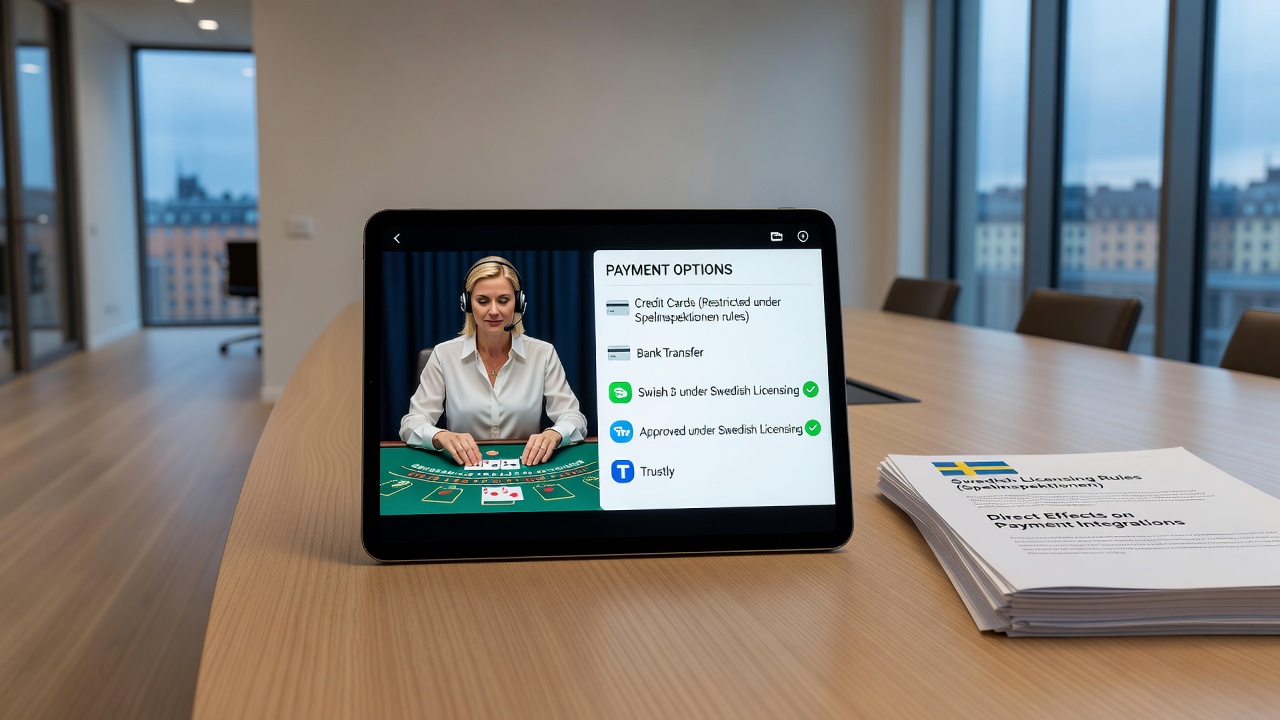
Swedish licensing under the Gambling Act requires operators to obtain approval from Spelinspektionen before offering live dealer games on mobile platforms, and this framework shapes every aspect of how payments move through those systems. Licensed entities must integrate payment solutions that comply with strict identity verification standards, currency rules, and transaction monitoring protocols that differ markedly from unregulated markets. Data from regulatory filings shows that platforms operating under these licenses process deposits and withdrawals exclusively through methods pre-approved by the authority, which narrows the range of available options for users accessing live blackjack, roulette, or baccarat tables on smartphones and tablets. The core requirement centers on local currency handling and verified banking channels. Operators route all transactions in Swedish kronor through providers that connect directly to national banks or certified third-party services, while restrictions prohibit credit card usage for gambling deposits and limit certain e-wallet functionalities that do not meet real-time verification thresholds. Researchers examining transaction logs from licensed platforms note that average deposit times extend when additional checks trigger, yet withdrawal processing benefits from the same automated systems once initial compliance clears.
Payment Integration Requirements for Mobile Live Dealer Access
Mobile live dealer platforms face additional layers of scrutiny because games stream in real time and require uninterrupted sessions. Spelinspektionen mandates that payment gateways embed within the same application environment as the video feed, allowing seamless switches between table play and account funding without leaving the licensed interface. This setup forces developers to prioritize APIs from approved Swedish financial institutions, resulting in fewer but more standardized payment flows across competing operators. One documented outcome appears in the reduced support for cryptocurrency transfers. Licensed platforms exclude digital assets unless they convert instantly to fiat through regulated intermediaries, a rule that aligns with broader efforts to maintain full traceability. Figures released by industry monitoring groups indicate that over 85 percent of mobile live dealer transactions now route through bank transfers or instant bank apps by mid-2025, with volumes shifting further as enforcement tightens.
Verification Procedures and Their Influence on Transaction Speed
Every payment must pass through a multi-stage verification process tied to the national personal identity number system. Operators cross-reference user details against public records before authorizing deposits that fund live dealer chips, which eliminates many international payment processors that cannot interface with Swedish databases. Observers tracking compliance reports highlight that this integration reduces fraud incidents yet extends the initial setup period for new accounts. By August 2026, updated technical standards are scheduled to require even tighter coupling between payment providers and game servers, aiming to flag suspicious patterns during active live sessions. Platforms already testing these protocols report fewer rejected withdrawals because pre-verified payment histories carry forward across sessions.
Comparative Effects Across Licensed and Unlicensed Environments
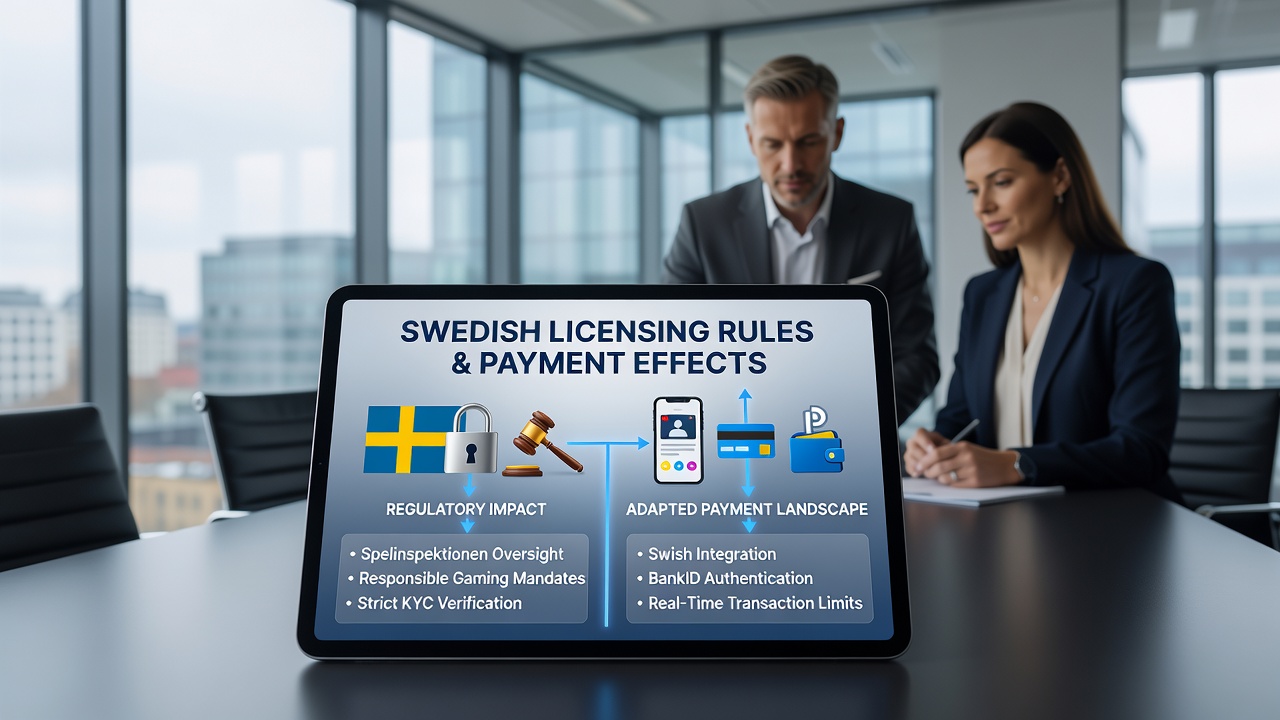
Users accessing licensed mobile live dealer environments encounter payment menus dominated by domestic solutions such as Swish and Trustly integrations, whereas unlicensed platforms historically offered broader international card and crypto choices. According to statistics compiled by the
Swedish Gambling Authority, the proportion of players shifting to licensed channels increased steadily after 2019, correlating with measurable growth in verified bank-linked transactions. Another layer involves bonus restrictions that indirectly affect deposit behavior. Licensed operators cannot promote deposit bonuses that exceed set percentages, which discourages large incoming transfers from payment methods tied to promotional offers. European Gaming and Betting Association analyses of market data across member states show Sweden maintains one of the lowest average deposit sizes per session among regulated jurisdictions, partly because payment options discourage impulsive top-ups.
Security and Reporting Obligations
Licensed platforms must log every payment event in formats compatible with Spelinspektionen audits, including timestamps that align with live game rounds. This obligation drives investment in unified back-end systems that combine payment rails with game outcome records, reducing discrepancies during inspections. Those who manage such platforms note that mobile-specific encryption standards add another constraint, limiting which legacy payment gateways can participate.
Conclusion
Swedish licensing rules channel payment activity on mobile live dealer platforms toward a narrower set of verified domestic methods while embedding verification at every step. The resulting environment prioritizes traceability adn local currency handling over variety, producing consistent transaction patterns that regulators can monitor effectively. As technical standards evolve toward 2026, operators continue adapting their payment architectures to maintain compliance without disrupting real-time gameplay.