Tracing the Evolution of Bonus Systems in Mobile Slot Games Under Swedish Regulatory Frameworks
Early Development of Mobile Slot Bonuses Before Strict Oversight
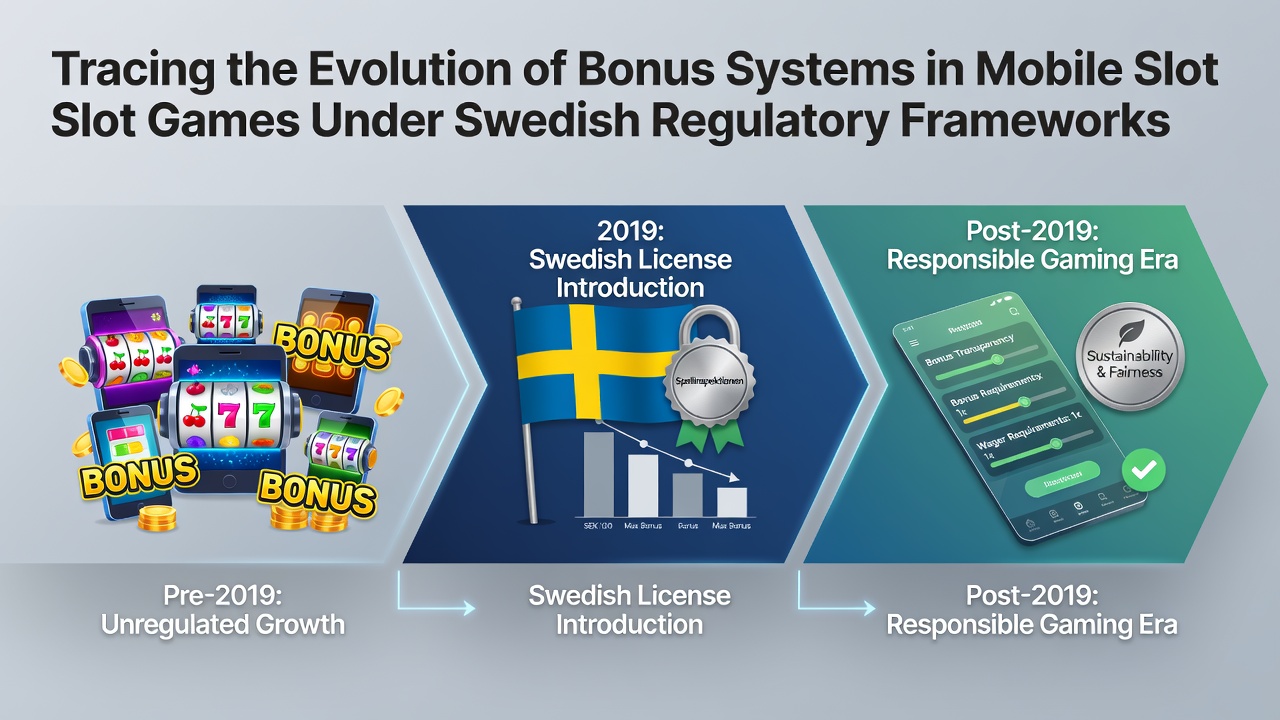
Swedish operators introduced mobile slot games with bonus features such as free spins and deposit matches during the mid-2010s when platforms expanded rapidly on smartphones and tablets, and players encountered these incentives through app stores and browser-based access points while the market operated under earlier licensing rules that allowed broader promotional flexibility.
Data from industry reports shows that welcome bonuses often reached several hundred percent of initial deposits combined with dozens of free spins, and these structures encouraged quick sign-ups across multiple sites because few limits existed on frequency or value at that time.
The 2019 Gambling Act and Its Direct Effects on Bonus Structures
Sweden enacted the Gambling Act in 2019 which created the current licensing system under Spelinspektionen and introduced specific rules that restricted how operators could deploy bonuses in mobile slot environments, and the legislation required all promotional offers to receive approval while limiting players to one bonus per operator account.
According to official records from Spelinspektionen, recurring loyalty bonuses for existing customers became prohibited and this change forced developers to redesign mobile slot interfaces so that bonus elements appeared only during initial registration phases or through strictly controlled campaigns that avoided repeat triggers.
Research indicates that mobile slot titles adapted by embedding bonus rounds directly into gameplay mechanics rather than external promotions, and this shift maintained player engagement levels while complying with the single-bonus rule that remains in force today.
Adaptations in Mobile-Specific Bonus Mechanics After 2019
Game studios began integrating bonus features such as expanding wilds and multiplier trails that activate through standard play rather than separate promotional codes, and these in-game systems allowed mobile slots to deliver value without violating the regulatory cap on external incentives that Spelinspektionen monitors closely.
Figures from 2022 through 2025 reveal a steady increase in cashback programs structured as percentage returns on net losses that operators issue weekly through verified accounts, and these programs replaced earlier deposit-match offers because they fall outside the definition of prohibited recurring bonuses under the current framework.
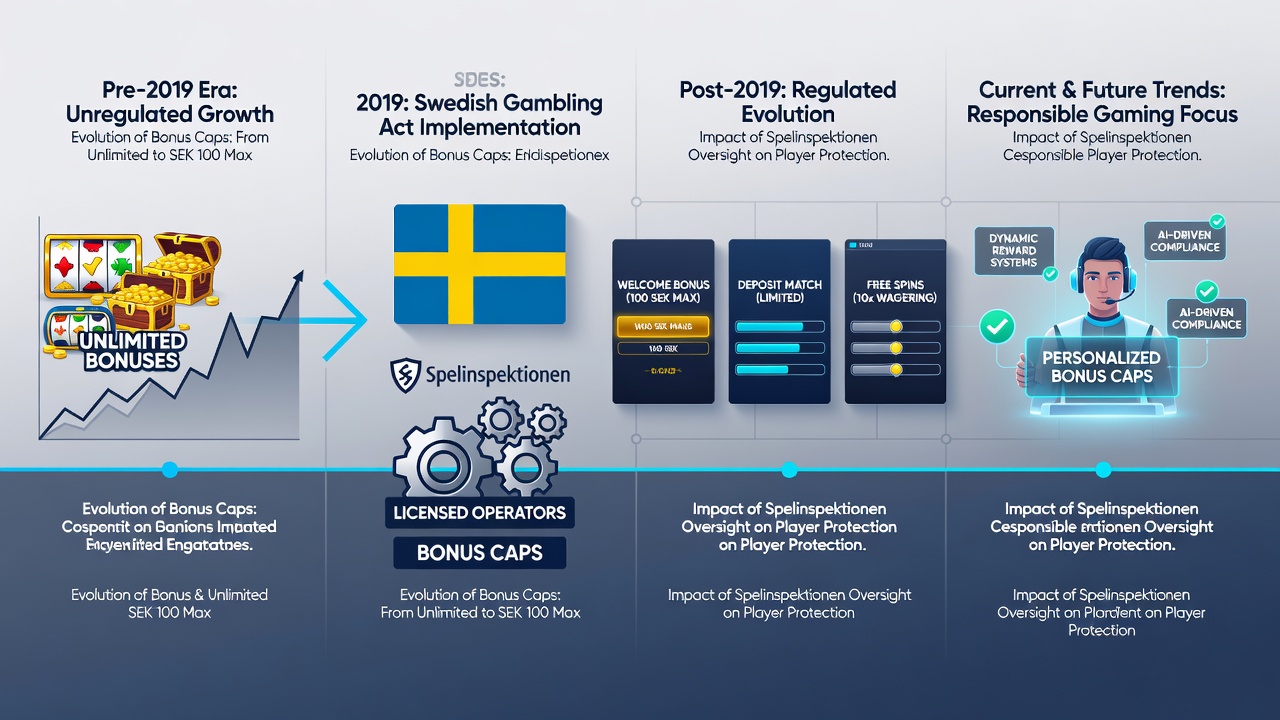
One developer case involved a major studio that reworked its flagship mobile slot series so that bonus wheels appear after a fixed number of spins rather than through marketing links, and this approach satisfied compliance checks while preserving the visual appeal that players expect on smaller screens.
Regulatory Updates and Market Responses Through 2026
Spelinspektionen issued additional guidance in early 2025 that clarified how time-limited campaigns must appear in mobile applications, and operators responded by adding transparent countdown timers directly inside game menus to meet disclosure requirements without disrupting gameplay flow.
Reports compiled in August 2026 show continued enforcement actions focused on mobile platforms where bonus notifications appeared outside approved channels, and these cases prompted several operators to centralize all promotional messaging within the licensed app environment to reduce compliance risks.
Academic studies from Nordic research institutions highlight that mobile slot bonus evolution under Swedish rules has produced more standardized reward patterns across the market compared with pre-2019 conditions, and the data points to reduced player migration between sites because incentives now tie more closely to individual account history rather than broad advertising.
Technical Integration of Compliant Bonuses in Mobile Slots
Engineers incorporated server-side verification for bonus eligibility that checks player status before any reward activates during a mobile session, and this backend process prevents accidental distribution of multiple offers that would breach the one-bonus-per-account regulation.
Developers also introduced progressive elements such as level-up systems that unlock additional free spins through continued play, and these features operate independently of promotional budgets while delivering the variable outcomes that keep mobile slot sessions engaging over longer periods.
Conclusion
The evolution of bonus systems in mobile slot games under Swedish regulatory frameworks reflects ongoing adjustments to licensing conditions established in 2019 and refined through subsequent guidance, and operators continue to modify game designs and promotional delivery methods to align with Spelinspektionen requirements while maintaining core gameplay appeal on mobile devices. Data from regulatory filings and industry analyses confirms that these changes have produced more uniform bonus structures across licensed platforms, and future developments will likely build on the same compliance principles that shape current offerings.